
The Farmer’s Dog, a subscription-based fresh pet-food company, is facing a proposed class action alleging that it marketed its meals as healthy, balanced and personalised while failing to give consumers adequate information about their fat content. The lawsuit does not establish that the food is unsafe, and no court has accepted the allegations as fact. The company strongly disputes the claims.
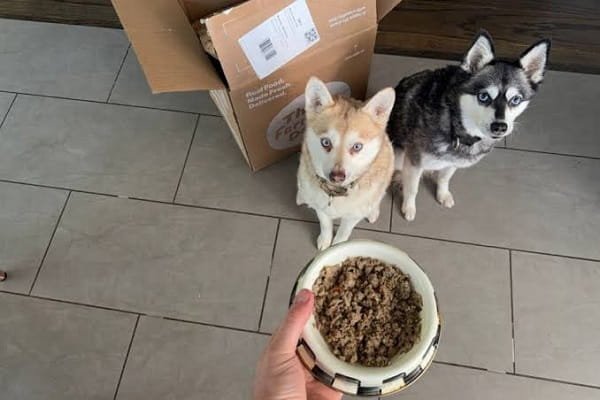
Who Filed the Lawsuit?
New Hampshire resident Amy Trott filed Trott v. The Farmer’s Dog, Inc. on April 24, 2026, in the US District Court for the Southern District of New York. The case, numbered 1:26-cv-03410, is assigned to Judge Edgardo Ramos.
Trott seeks to represent a nationwide group of consumers who purchased The Farmer’s Dog food, together with a New Hampshire group. The complaint says the amount in controversy exceeds $5 million, but that is a jurisdictional threshold, not a judgment or guaranteed settlement.
What Does the Complaint Say About Fat Content?
The main dispute concerns the difference between “as-fed” and “dry-matter” measurements. Fresh dog food contains substantial moisture. An as-fed percentage measures fat as a share of the food’s total weight, including water. A dry-matter calculation removes moisture, allowing foods with different water levels to be compared more directly.
The complaint lists minimum as-fed fat levels ranging from 4.5% to 8% for four recipes. The plaintiff calculates the dry-matter fat at 18.75% for turkey, 28.57% for beef, 25% for chicken and 26% for pork. It alleges that three recipes provide more than 40% of their metabolizable energy from fat and over 45 grams of fat per 1,000 calories.
These figures come from the complaint and remain disputed. The court has not adopted them as proven facts.
Why Does the Plaintiff Call the Marketing Misleading?
The lawsuit challenges descriptions such as “fresh,” “human-grade,” “complete,” “balanced,” “healthy” and “clinically proven nutrition.” It argues that these messages, combined with the company’s questionnaire about a dog’s breed, age and weight, lead buyers to believe the recommended meals closely match their pets’ nutritional needs.
Trott says she bought a 14-day supply in June 2025 for $27.26 after seeing a Facebook advertisement describing the food as nutritious and healthy. She received chicken-and-grain, beef and turkey recipes. Her Labrador reportedly would not eat the food, and the company gave her a partial $9 refund.
The complaint does not say Trott’s dog developed pancreatitis or another illness. Her claimed injury is mainly financial: she argues that she would not have bought the food, or would have paid less, had the disputed information been disclosed differently.
What Legal Claims Are Included?
The complaint brings claims for breach of express warranty, breach of implied warranty, fraud and violation of the New Hampshire Consumer Protection Act. It asks the court to certify the proposed classes and award damages, restitution, legal costs and other relief. It also seeks an order stopping the challenged conduct.
Class certification has not been granted. Consumers are not currently receiving compensation, and there is no approved settlement or claim process.
How Has The Farmer’s Dog Responded?
The Farmer’s Dog publicly called the lawsuit baseless and said its allegations conflict with pet-food regulations and veterinary nutrition science. The company says its recipes are formulated and tested by board-certified nutritionists, meet Association of American Feed Control Officials and National Research Council standards, and contain safe levels of essential fats.
It also says its feeding trials, research and customer data have not shown higher pancreatitis rates associated with its recipes. Those statements form the company’s defence and have not been tested through a final ruling.
What Is the Latest Court Status?
On July 23, 2026, The Farmer’s Dog filed a motion asking the court to compel Trott to arbitrate her claims, relying on terms of use it says govern the transaction. Judge Ramos has stayed the company’s deadline to answer while that motion is considered.
Trott’s opposition is due on August 20, and the company’s reply is due on August 28. The court has not yet decided whether the case will remain in federal court or move to private arbitration. It has also made no finding that The Farmer’s Dog misled customers, breached a warranty or sold nutritionally unsuitable food.